
Your warehouse never sleeps. So neither does your IT.
Orders come in day and night, trucks leave at fixed times and every scan has to be right. We make sure scanners, network and integrations keep running, and that a plan is ready if something does stop.

One order, five systems
From your customer's message to the proof of delivery that comes back: every step runs on a different system, and every integration between them has to be monitored.
- 1
Order comes in
Through the customer's EDI or API straight into your WMS or TMS, without retyping.
- 2
Scheduled
The order is scheduled on a route and a loading slot, and the warehouse sees what needs to be ready.
- 3
Picked and loaded
Scanners and handhelds on wifi that reaches the furthest aisle, managed and updated centrally.
- 4
Delivered
The driver sees the route and records the delivery and any remarks on a managed device.
- 5
Proof of delivery back
The proof of delivery and the status go back automatically to the customer and to your invoicing.
When a system goes down
A server, integration or internet line can always fail. What matters is that everyone knows the next step. This is what a fallback plan we draw up together with you looks like.
We test the fallback plan together at a quiet moment, so it works when you really need it.
- 1Detection
Monitoring spots it
A server, integration or line that stops responding shows up automatically in our monitoring. During office hours the service desk picks it up immediately, outside them you reach us through the emergency line.
- 2Decision
Your responsible person decides on the fallback
The plan states who on your side decides whether to switch over, and from when. That way nobody waits for a call that never comes.
- 3Keep working
Loading according to the fallback procedure
For example with printed pick and loading lists from the last synchronisation, depending on what your WMS allows. If only the internet line drops, a 4G/5G backup takes over.
- 4Recovery
System back, data updated
After recovery, the scans and deliveries from the fallback period are processed, so stock and statuses are right again.
- 5Afterwards
A report and a sharper plan
You get a short report of the cause and the approach, and we adjust the plan where it can be improved.
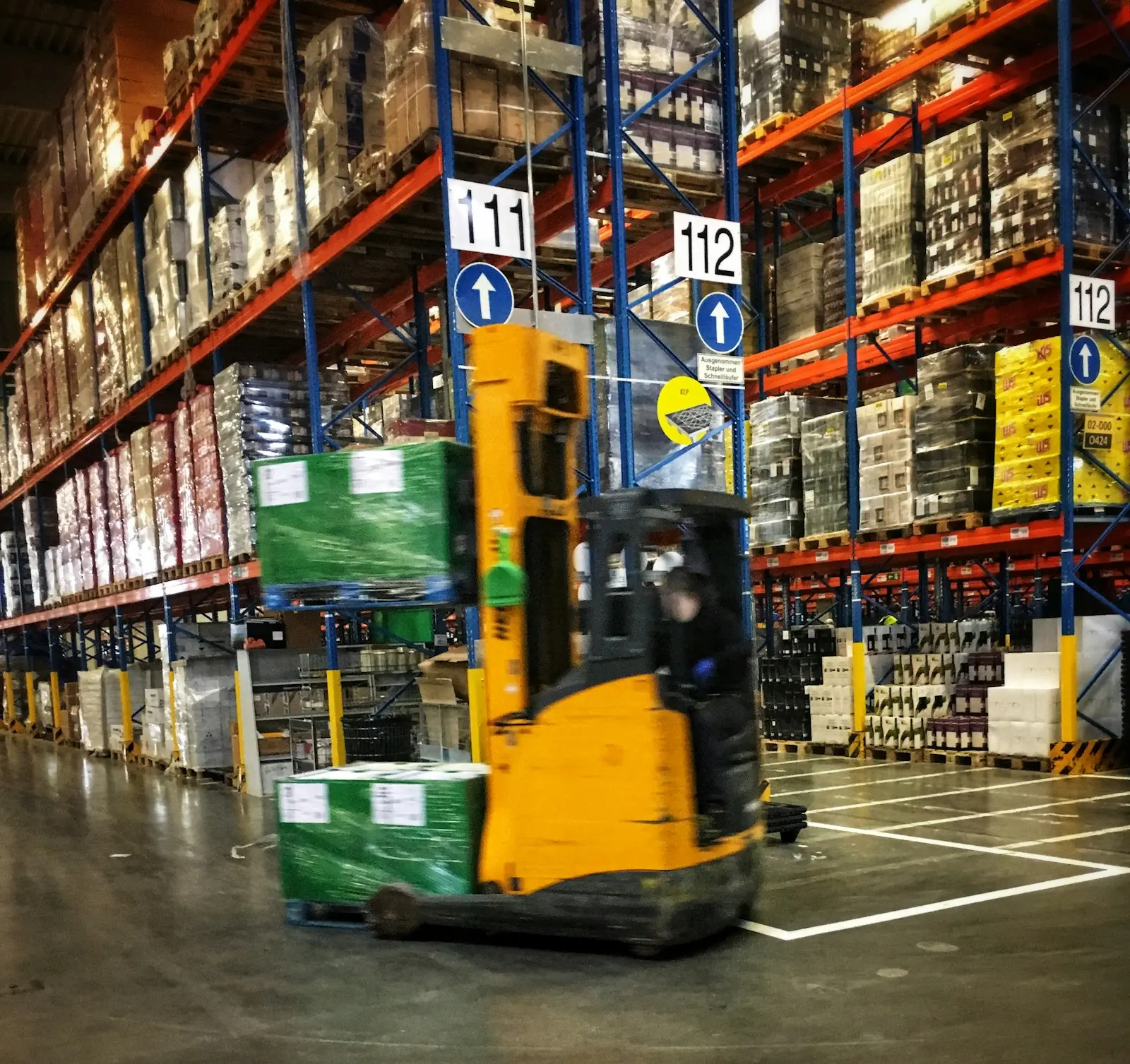
The systems a logistics day runs on
We work with the WMS, TMS and platforms you already use. Those suppliers remain responsible for their software, we are responsible for the network, the devices and the integrations between them.
Orders & planning
- WMS
- TMS
- EDI messages
- API integrations with customers and carriers
- Customer portals
Warehouse
- Scanners and handhelds
- Label printers
- Managed wifi around high racking
- Site surveys and coverage measurements
- VLAN segmentation
On the road
- Driver devices
- Kiosk mode
- Digital consignment notes (e-CMR)
- 4G/5G data plans
Where it goes wrong in a warehouse
Wifi with dead zones
High racks, metal shelving and cold stores. Scanners that lose their connection in the furthest aisle.
Integrations nobody monitors
An EDI message that gets stuck or an API that changed format, and only in the morning does someone notice the orders are missing.
Unmanaged devices in the cab
Personal phones or devices without updates. When one goes missing, nobody knows what was on it or how to lock it.
What we usually set up first
All solutionsQuestions from logistics companies like yours
Your network, servers and integrations are monitored continuously. The service desk is open Monday to Friday, from 9 am to 5 pm, and outside those hours there is an emergency line for outages that bring your operation to a halt.
Yes. We first measure the coverage on site and place the access points around your racking and cold stores, so scanners stay connected in every aisle.
Yes, through EDI or API, depending on what the other party supports. We add monitoring, so a message that gets stuck stands out straight away.
We agree that in advance in a fallback plan: how you keep working, who does what and how quickly the system needs to be back. We test that plan, so it works when you need it.
Management works wherever the device has a data connection. You arrange roaming and data plans with your operator, and we make sure the devices stay secured and up to date.
Talk to someone who knows the truck leaves at six.
We look at your warehouse, devices and integrations and tell you where we see the biggest risk of downtime.